Compare Local Contractors for Professional Pool Fencing Services
Compare local contractors for pool fencing to clarify project scope, verify experience, and establish clear expectations in writing for a successful installation.
Pool fencing services typically encompass the installation, repair, and replacement of barriers designed to enclose swimming pools and surrounding areas. This work often involves selecting appropriate fencing materials, such as metal, wood, or mesh, and ensuring the installation adheres to safety standards and local regulations. Contractors may also handle additional features like gates, latches, and self-closing mechanisms to enhance security and accessibility. Clarifying the scope of work upfront helps property owners understand what is included, whether it’s a complete fence installation or repairs to existing fencing, and ensures that the project aligns with safety and aesthetic goals.
Defining the scope of pool fencing work is essential for setting clear expectations and avoiding misunderstandings. Property owners should specify the type of fencing desired, the extent of the installation area, and any additional features or modifications needed. It’s also important to verify whether the contractor will handle permits or site prep, and to confirm what responsibilities fall on the property owner. Having these details in writing helps ensure that both parties share a common understanding of the project requirements, reducing the risk of surprises and facilitating smoother project execution.
When comparing local contractors for pool fencing, property owners should consider their experience with similar projects and their familiarity with local building codes and safety standards. Checking references or reviews can provide insight into each service provider’s reputation and reliability. It’s also helpful to review their portfolio of completed work, if available, and to ask about their process for project planning and communication. By evaluating these factors, property owners can make informed decisions and select service providers who are capable of delivering quality results that meet their specific needs and expectations.
Compare local contractors by outlining your priorities, verifying experience, and clearly defining project scope in writing.
- Verify Experience and Credentials - Ensure contractors have relevant experience and a solid track record in pool fencing projects.
- Define Project Scope Clearly - Outline specific requirements and expectations to facilitate accurate comparisons between service providers.
- Request Written Estimates and Agreements - Obtain detailed, written descriptions of work to set clear expectations and prevent misunderstandings.
- Compare Local Contractors - Evaluate multiple service providers based on their expertise, services offered, and reputation to find suitable options.
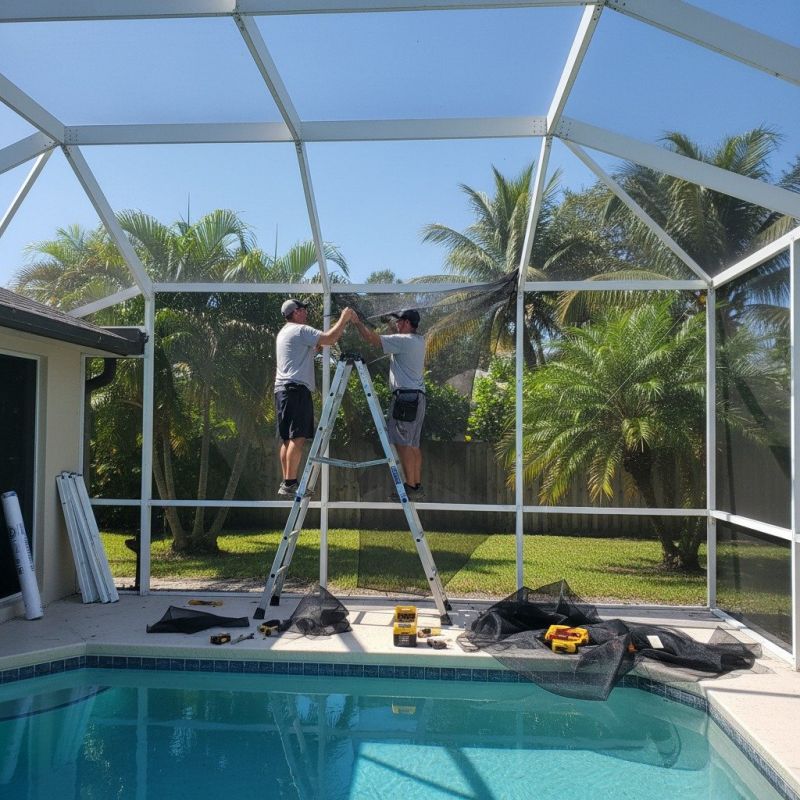
Clearly describe your pool fencing project to help local contractors compare options and set clear expectations in writing.
- Verify that the fencing material complies with local safety standards and regulations. - Ensure the chosen fencing type is appropriate for pool safety and durability.
- Define the scope of work clearly in written agreements to avoid misunderstandings. - Confirm that service providers specify the extent of installation or repair services included.
- Assess the experience and reputation of local contractors specializing in pool fencing projects. - Look for providers with a proven track record in installing or repairing pool fences.
- Request detailed descriptions of the fencing options available to compare features and suitability. - Understand the differences between materials, styles, and security features offered.
- Ensure that the scope of work includes necessary permits or inspections if required by local codes. - Clarify whether the service provider will handle permit acquisition or inspections.
- Obtain a written warranty or guarantee for the workmanship and materials used in the fencing project. - Protect the investment with documentation that specifies coverage and duration.
Compare local contractors' experience and services to clearly define your pool fencing project scope.


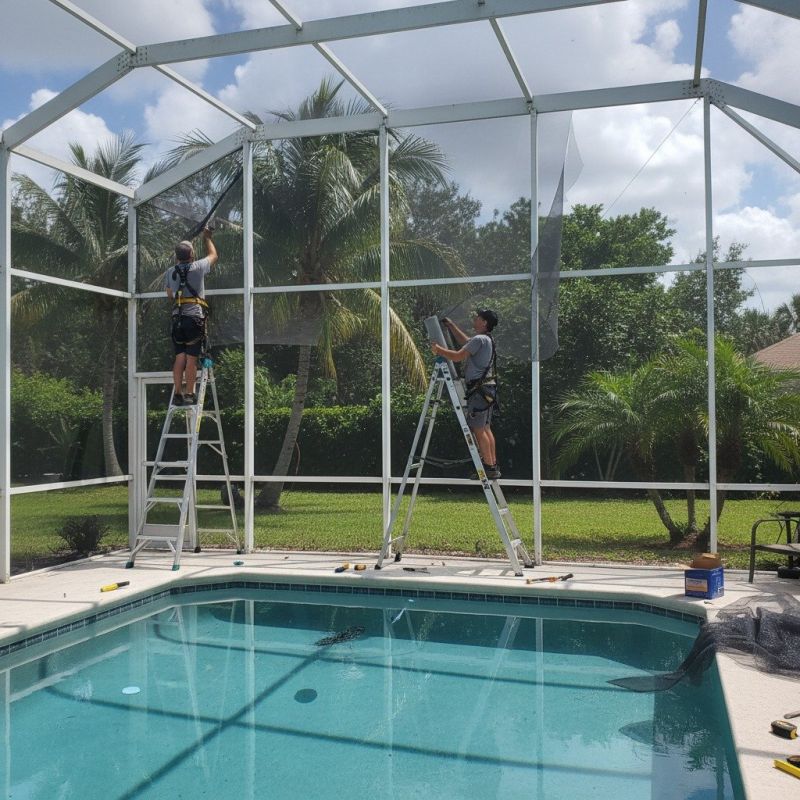
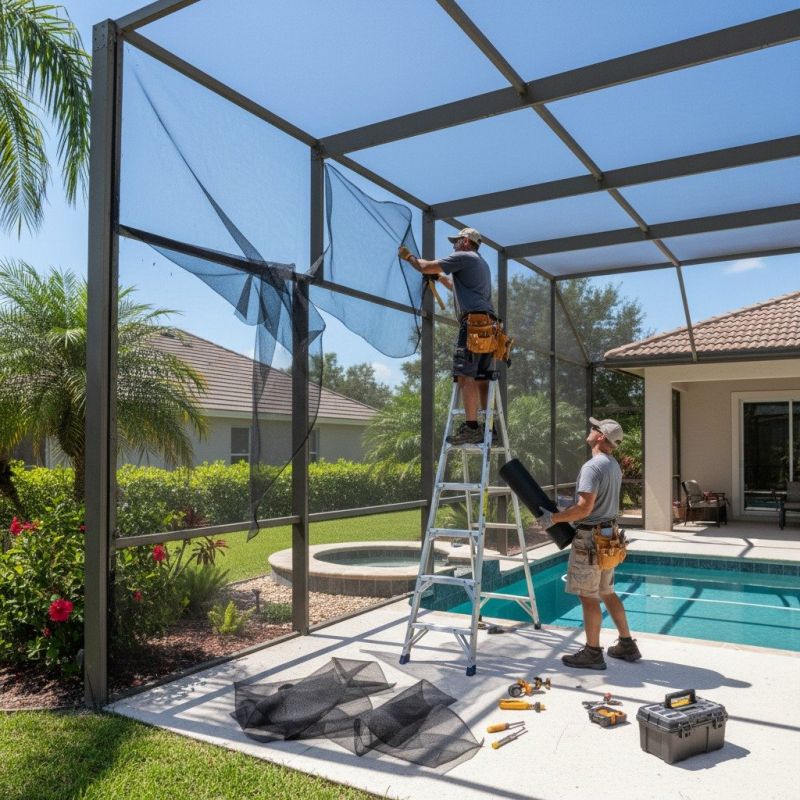
This section guides you on comparing local contractors for pool fencing by clarifying scope, verifying experience, and setting clear expectations in writing.
- Define fencing material options - identify the types of fencing materials suitable for pool safety and compliance.
- Determine height and barrier requirements - specify the necessary fencing height and barrier features based on local regulations.
- Establish gate and latch specifications - outline the required gate design, self-closing mechanisms, and latch placement for safety.
- Verify contractor experience with pool fencing projects - ensure local contractors have relevant experience in installing pool fences to meet standards.
- Document scope and expectations in writing - create a detailed agreement that clearly defines the work, materials, and safety features to be installed.
When evaluating contractors for pool fencing, it’s important to consider their experience with similar projects. Homeowners should inquire about the types of fencing installations they have completed, ensuring the service providers have a track record of handling pools of comparable size and design. A contractor’s familiarity with local regulations and common site conditions can also influence the quality and durability of the fencing. Verifying that a contractor has successfully completed comparable projects can provide confidence that they understand the specific requirements and challenges involved.
A clear, written scope of work is essential when comparing options. This document should outline the materials to be used, the number and placement of fence panels, gate specifications, and any additional features or finishes. Having a detailed scope helps prevent misunderstandings and ensures that all parties share the same expectations. Homeowners should seek service providers who can provide comprehensive, written descriptions of the work involved, making it easier to compare proposals and confirm what is included in each project.
Verification basics are key to selecting reliable contractors. Homeowners should ask for references or examples of completed fencing projects, and if possible, visit previous sites to assess quality. Confirming that a contractor has a history of successful installations can reduce the risk of subpar work. Additionally, understanding the process a contractor uses for site preparation, installation, and finishing can help evaluate their professionalism and attention to detail. A transparent approach to verification fosters confidence in the contractor’s ability to deliver a satisfactory outcome.
When comparing options, it’s important to evaluate how each contractor approaches the project scope and their level of communication. Clear, detailed written proposals can reveal the thoroughness and professionalism of service providers. Homeowners should ask questions about the materials, installation methods, and warranties to gauge their expertise and reliability. By focusing on the scope of work, experience with similar projects, and verification of past work, homeowners can make informed decisions and select a contractor best suited to their pool fencing needs.
Request written scope details to ensure clear expectations and consistent comparison of local contractors' services.
- Scope of Work - What specific fencing materials and features do the local contractors include in their scope?
- Experience and References - How can the local service providers demonstrate their experience with pool fencing projects?
- Warranty and Guarantees - What warranties or guarantees do the local contractors offer for their pool fencing installations?
- Materials and Compliance - Are the fencing materials specified by the local pros compliant with safety standards and suitable for the environment?
- Project Expectations - How will the scope and materials be documented to ensure clear understanding between the homeowner and the local contractors?
How can I compare different contractors for pool fencing? To compare local contractors, review their experience, scope of services, and reputation through reviews or references. Ensure they provide clear written details about the work to be performed.
What should I consider when defining the scope of my pool fencing project? Clarify the size, type of fencing material, design preferences, and any additional features needed. Communicating these details helps contractors provide accurate proposals.
How do I verify the experience of a pool fencing contractor? Ask for examples of previous work or references. Confirm that they have handled similar projects and understand local regulations related to pool fencing.
Why is it important to get the scope of work in writing? Having a detailed written scope ensures all parties agree on the project details, materials, and responsibilities, reducing misunderstandings during the work process.
What questions should I ask a contractor before hiring for pool fencing? Inquire about their experience, the materials they recommend, the scope of services, and how they handle permits or inspections if applicable.
How can I ensure the contractor understands my fencing preferences? Clearly communicate your design ideas, material choices, and any specific requirements, and ask the contractor to confirm these details in writing before starting the project.
By exploring the options available, visitors can gain a clearer understanding of how to evaluate local contractors for pool fencing projects. Learning to define the scope of work, verify experience, and set clear expectations in writing helps ensure a smooth process when selecting a service provider. Using the quote form allows comparison of multiple local contractors, making it easier to find professionals who meet specific project needs.
Taking the time to compare local contractors through the quote form provides an opportunity to connect with experienced service providers who can handle pool fencing installations or repairs. This approach supports making informed decisions based on the details that matter most, helping to identify the right professionals for the job without relying on promises or guarantees.